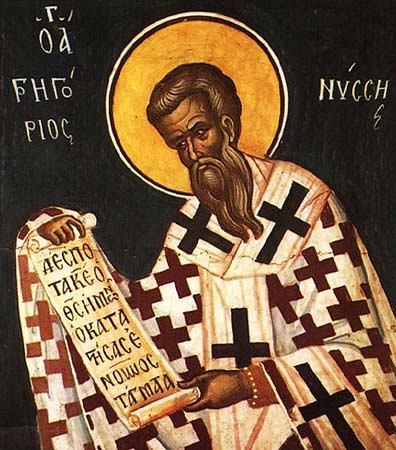
Gregory of Nyssa
335–395 · Patristic · Nicene & Post-Nicene · Turkey
Gregory of Nyssa (c. AD 335–395) was one of the greatest theologians and mystical writers of the early Christian Church, whose profound reflections on God, creation, and the destiny of humanity helped shape the doctrine and spirituality of Christianity. Born in Cappadocia into a family renowned for its holiness, he was the younger brother of Basil the Great and the close companion of Gregory of Nazianzus, together forming the group known as the Cappadocian Fathers who defended the orthodox doctrine of the Trinity in the fourth century. Though initially reluctant to enter public ministry, Gregory became Bishop of Nyssa and emerged as a powerful defender of the Nicene faith against Arianism. His writings, including The Life of Moses, On the Making of Man, and The Great Catechism, explored the mystery of God’s infinite nature, the dignity of humanity made in the image of God, and the soul’s lifelong ascent into divine likeness. Gregory taught that because God is boundless and inexhaustible, the journey of the Christian toward Him is an eternal movement of love and transformation, a vision that deeply influenced later Christian mysticism. Through his defence of the Trinity, his theological insight, and his vision of humanity’s calling to communion with God, Gregory of Nyssa remains honoured as one of the great teachers of the Church and a witness to the depth and beauty of the Christian faith.