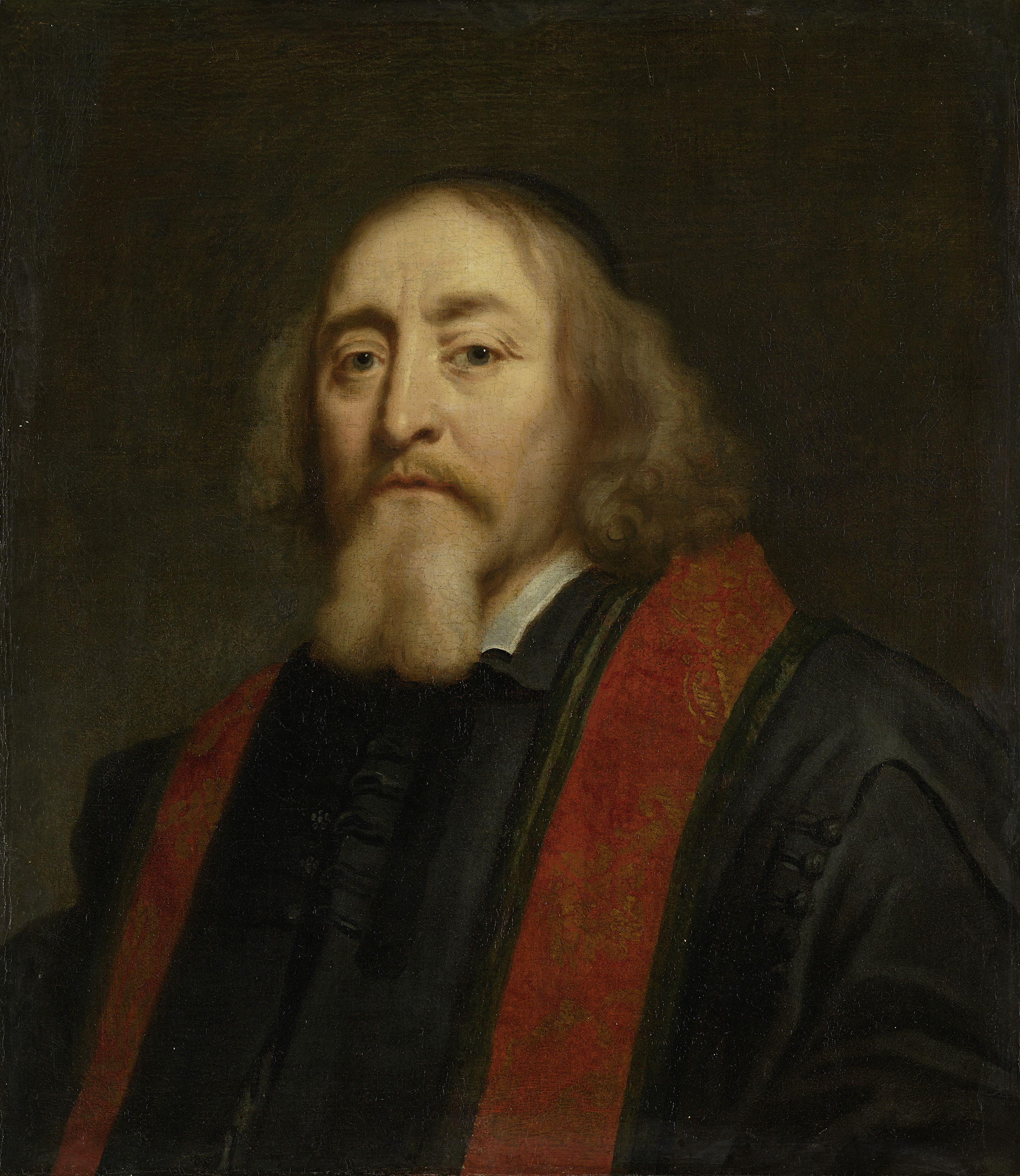
John Amos Comenius
1592–1670 · Reformed · Post-Reformation · Czech Republic
John Amos Comenius was a Moravian theologian, philosopher, and educator, widely regarded as the father of modern pedagogy. Born into the community of the Moravian Brethren — a Czech Protestant church tracing its roots to the followers of Jan Hus — he was ordained a minister and eventually became a bishop of the Brethren, a role he held in exile for most of his adult life.
The Thirty Years' War destroyed his home, his library, and his community's stability. Driven from Moravia in 1628, he spent the rest of his life in Poland, England, Sweden, Hungary, and finally Amsterdam, carrying his work with him across a continent at war. Out of that displacement came his most enduring achievements: the Didactica Magna (Great Didactic), completed in the 1630s and published in Latin in 1657, and the Orbis Sensualium Pictus (1658), the first illustrated textbook for children, which remained in use across Europe and North America for nearly two centuries.
Comenius believed that education was a theological imperative as much as a practical one. To teach the young well was to restore in them something of the divine image lost in the Fall. His vision was universal: schools for all children, of both sexes, in every parish and village, teaching not merely languages and sciences but piety and wisdom. That vision was radical for his time and remains only partially realised in ours.
Kindred authors
ReformedTexts in the library
5- TreatiseChapter I: Man is the Highest, the Most Absolute, and the Most Excellent of Things CreatedTrinity · Christology · Creationapprox. 5 min read
- TreatiseChapter II: The Ultimate End of Man is Beyond this LifeSalvation · Eschatology · Creation · Providenceapprox. 10 min read
- TreatiseDedicatory LetterVocation · Eschatology · Scripture · Providenceapprox. 15 min read
- TreatiseGreetings to the ReaderVocation · Community · Scripture · Providenceapprox. 15 min read
- EssayThe Use of the Art of TeachingVocation · Providence · Preachingapprox. 5 min read