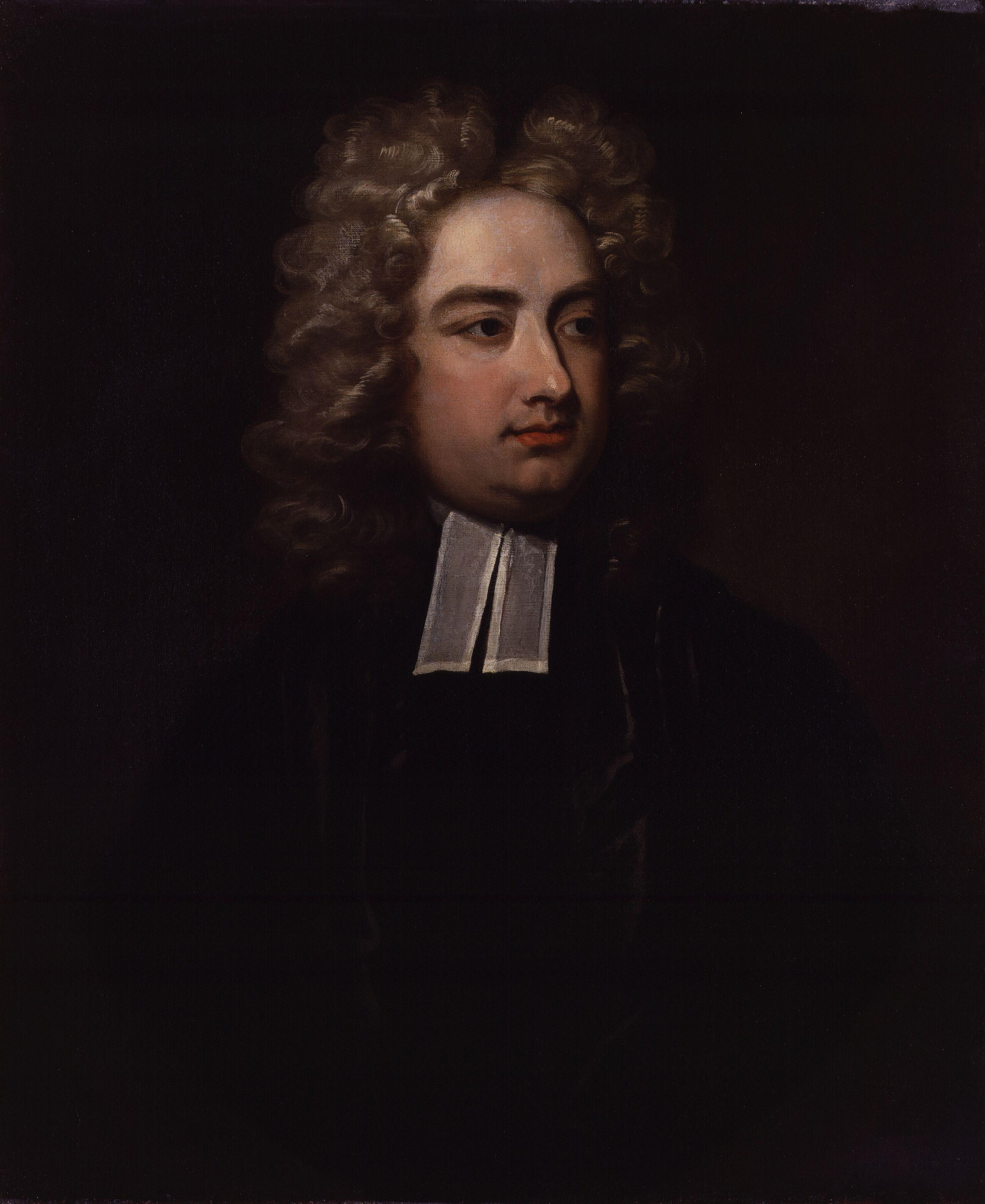
Jonathan Swift (1667–1745) was an Irish Anglican clergyman, satirist, and writer whose sharp intellect and profound concern for human dignity made him one of the most enduring voices of the English literary tradition. Ordained in the Church of Ireland, Swift served for many years as Dean of St Patrick’s Cathedral in Dublin, where he combined pastoral duties with a lifelong commitment to justice, charity, and the defence of the vulnerable. Through works such as Gulliver’s Travels, A Modest Proposal, and his political writings, he exposed the pride, cruelty, greed, and folly that often corrupted both individuals and societies, using satire as a moral instrument rather than mere entertainment. Though often remembered chiefly as a master of irony, Swift’s writings were deeply shaped by a Christian understanding of humanity’s fallen nature and the need for humility, mercy, and moral reform. His legacy endures as that of a brilliant Christian humanist whose biting wit served a serious purpose: to awaken consciences and call people back to reason, compassion, and virtue.